In May, staff on Mowbray utilised their ward's charitable fund to purchase four robotic animals to support adults living with dementia admitted to Mowbray Ward, a female organic assessment unit in Sunderland.
Robotic pets can provide significant benefits for adults living with dementia by offering comfort, companionship and sensory stimulation. Their lifelike movements, sounds and responses can help reduce feelings of loneliness, anxiety and distress, while encouraging engagement and interaction. For many people, the animals trigger positive memories of pets they have owned, creating opportunities for conversation, reminiscence and emotional connection. By promoting a sense of purpose, security and connection, robotic pets can help enhance wellbeing and improve the overall quality of life for people living with dementia.
The robotic animals mimic live animals. They can meow or bark, can imitate purring and have a heartbeat, and move their tail or roll over. Some people know they aren’t real whilst others feel they are.
Some patients who struggle to communicate verbally have been able to gain connection through touch with the robotic animals. One lady enjoyed having one of the robotic cats in her bedroom, finding purpose and meaning to her day and having comfort of the company – much like she would have at home with her own cat. The hope is that continued access will help with further ease anxiety and increase connection.
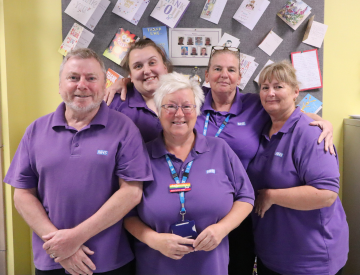
The team on Mowbray Ward are extremely grateful for the charitable support. These robopets had a meaningful impact on the lives of patients, providing comfort, companionship and opportunities for connection during their stay on the ward. The ward looks forward to continuing to use the robotic animals to support therapeutic care and enhance the patient experience.
Erin Hardy, Specialist Occupational Therapist, said,
“Since they arrived, Mowbray Ward patients have benefited from access to the robotic animals. Some patients enjoy the opportunity to hold, stroke and interact with them and the opportunity to have tactile comfort and talk about animals they love or have loved.”